


 Share
Share
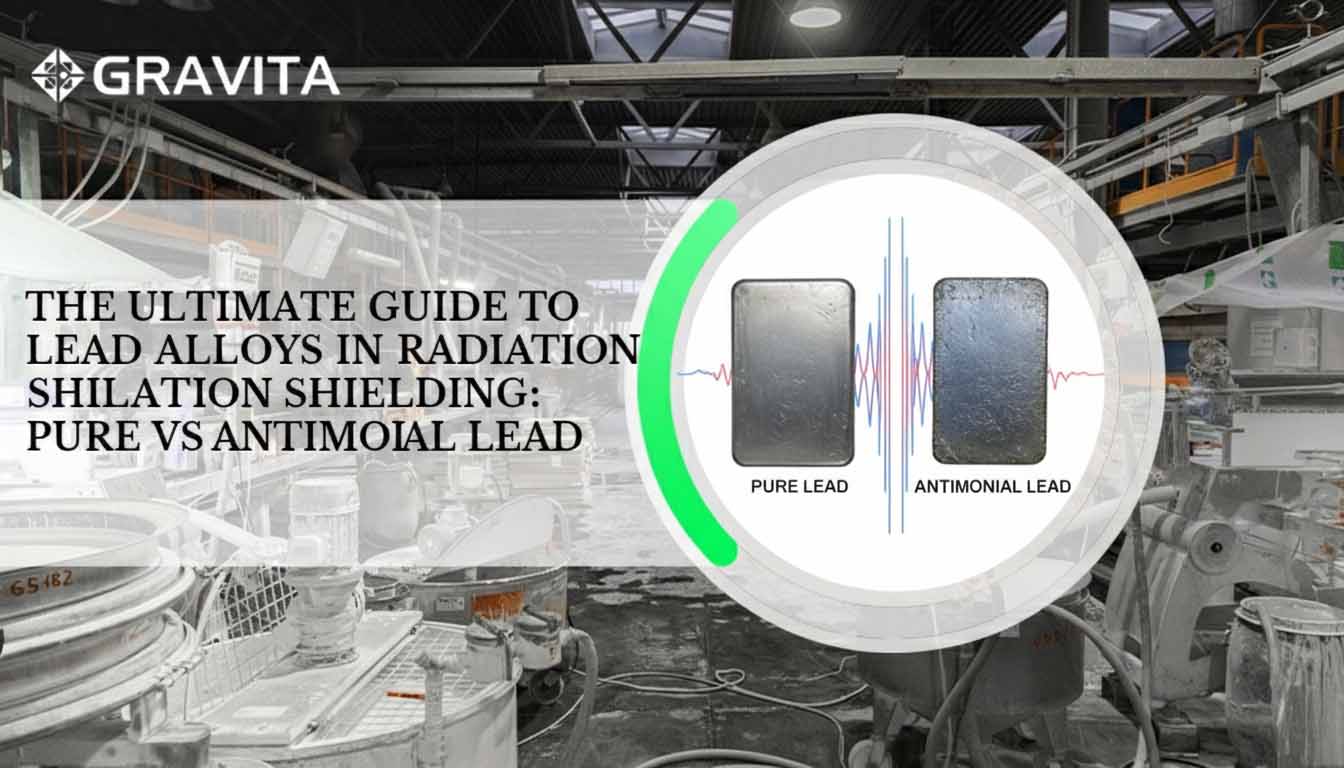
The Ultimate Guide to Lead Alloys in Radiation Shielding: Pure vs Antimonial Lead
Introduction: Why Lead Alloy Selection Matters in Radiation Shielding
Radiation shielding plays a critical role in protecting people, equipment, and environments from the harmful effects of ionizing radiation. From medical imaging rooms and cancer treatment facilities to nuclear power plants and industrial radiography units, shielding materials must meet strict performance, safety, and regulatory requirements. Among all available materials, lead has remained the global standard for radiation shielding due to its high density, high atomic number, and cost effectiveness.
However, not all lead used in shielding applications is the same. While pure lead offers excellent radiation attenuation, alloyed forms of lead, particularly antimonial lead, are widely used in practical installations. The choice between pure lead and lead alloys directly affects not only shielding performance but also mechanical strength, durability, fabrication methods, safety considerations, and long term reliability.
Understanding how different lead alloys behave in radiation shielding applications is essential for engineers, medical physicists, facility designers, and procurement teams. This guide explores the role of pure lead and antimonial lead in radiation shielding, explaining where each material excels and how to select the right option for specific use cases.
How Radiation Shielding Performance Is Measured
The effectiveness of a radiation shielding material is determined by its ability to attenuate or reduce radiation intensity as it passes through the material. Several technical parameters are used to evaluate and compare shielding performance across different materials.
Radiation attenuation is primarily measured using linear attenuation coefficients and mass attenuation coefficients. These values describe how strongly a material absorbs or scatters radiation at specific energy levels. In practical design, engineers often rely on Half Value Layer and Tenth Value Layer measurements. The Half Value Layer represents the thickness of material required to reduce radiation intensity by 50 percent, while the Tenth Value Layer represents the thickness required to reduce intensity by 90 percent.
Two fundamental material properties dominate shielding performance. The first is atomic number. Materials with a high atomic number are more effective at interacting with X rays and gamma rays. The second is density. Higher density materials provide more atoms per unit thickness, increasing the probability of radiation interaction.
For lead based shielding, small changes in alloy composition, such as the addition of a few percent antimony, have minimal impact on radiation attenuation. In most real world applications, the required shielding thickness for pure lead and antimonial lead is nearly identical. This means that alloy selection is often driven more by mechanical, fabrication, and handling requirements rather than shielding efficiency alone.
Pure Lead in Radiation Shielding: Properties, Advantages, and Limitations
Pure lead has long been used as a radiation shielding material due to its exceptional physical characteristics. With a high density and high atomic number, pure lead provides strong attenuation of X rays and gamma rays across a wide energy range. It is commonly used in lead sheets, lead bricks, protective barriers, and lining materials for medical and industrial facilities.
One of the key advantages of pure lead is its predictability. Its radiation shielding performance is well documented, and its behavior under radiation exposure is thoroughly understood. Pure lead is also relatively easy to form into sheets or custom shapes through rolling and casting processes, making it suitable for fixed installations where complex geometries are required.
However, pure lead has notable limitations. It is a very soft and ductile metal, which makes it prone to deformation under mechanical stress. In applications where shielding components must support weight, maintain precise alignment, or withstand repeated handling, pure lead can creep or deform over time. This can create gaps in shielding or compromise structural integrity if not properly supported.
Due to these mechanical weaknesses, pure lead is often less suitable for modular shielding systems, movable barriers, or applications requiring high dimensional stability. In such cases, lead alloys such as antimonial lead are frequently preferred to improve hardness, strength, and durability without significantly sacrificing radiation shielding performance.
Antimonial Lead in Radiation Shielding: Composition and Performance
Antimonial lead is an alloy formed by adding a controlled percentage of antimony to pure lead. In radiation shielding applications, the antimony content typically ranges from low single digit percentages to slightly higher levels depending on the mechanical strength required. This alloying process significantly alters the physical properties of lead while preserving its core shielding effectiveness.
The primary purpose of adding antimony is to increase hardness, strength, and resistance to deformation. Antimonial lead is less prone to creep and mechanical damage compared to pure lead, making it better suited for applications where shielding components must retain shape and alignment over long periods. This is especially important in modular shielding systems, lead bricks, and installations exposed to vibration or frequent handling.
From a radiation attenuation standpoint, antimonial lead performs very similarly to pure lead. The addition of antimony at typical concentrations does not meaningfully reduce the material’s ability to attenuate X rays or gamma rays. As a result, required shielding thicknesses remain largely unchanged, allowing designers to choose antimonial lead for its mechanical advantages without compromising safety or performance.
Standards and Regulations Governing Lead Alloys in Radiation Shielding
Radiation shielding materials are subject to strict regulatory oversight due to their role in protecting human health. Lead and lead alloy products used in shielding applications must comply with a range of international, national, and industry specific standards that define material composition, performance, and safety requirements.
Standards typically specify acceptable alloy compositions, density requirements, dimensional tolerances, and testing procedures. In many jurisdictions, lead antimony alloys are explicitly recognized and approved for use in radiation shielding bricks, sheets, and structural components. These standards ensure consistency in shielding performance and help facility designers verify that installed materials meet regulatory expectations.
In addition to material standards, radiation shielding installations must comply with occupational safety and radiation protection guidelines. These include limits on allowable radiation exposure, requirements for shielding verification, and documentation of material specifications. Compliance with recognized standards is essential not only for regulatory approval but also for long term operational safety and liability management.
Organizations involved in the supply or installation of lead shielding materials must maintain proper documentation, including material certifications and safety data. This documentation supports audits, inspections, and ongoing compliance throughout the lifecycle of the facility.
Fabrication, Installation, and Handling Considerations
The choice between pure lead and antimonial lead has a direct impact on fabrication and installation processes. Pure lead, due to its softness, is easier to roll into thin sheets and conform to irregular surfaces. This makes it suitable for lining walls, doors, and enclosures where precise fitting is required and mechanical loads are minimal.
Antimonial lead, being harder and more rigid, offers superior dimensional stability during fabrication and installation. It is particularly well suited for cast components such as lead bricks, blocks, and modular shielding units. These components benefit from improved strength and reduced deformation, which helps maintain consistent shielding coverage over time.
Handling and installation practices must account for the increased hardness of antimonial lead. Cutting, machining, or modifying alloyed lead components may require specialized tools and safety controls. Both pure and alloyed lead materials demand strict adherence to health and safety protocols, including dust control, ventilation, and protective equipment.
Proper planning of fabrication and installation processes ensures that shielding materials perform as intended while minimizing risks to workers and maintaining compliance with safety regulations.
Safety, Toxicity, and Environmental Considerations
Safety is a critical factor when working with lead and lead alloys in radiation shielding applications. Lead is a toxic material, and exposure through inhalation or ingestion can pose serious health risks if not properly controlled. As a result, strict safety protocols are required during manufacturing, fabrication, installation, and maintenance of lead based shielding.
Pure lead presents hazards primarily in the form of dust and fumes generated during cutting, melting, or machining. Antimonial lead introduces additional considerations, as antimony compounds can also be hazardous if inhaled in particulate form. Activities such as welding or high temperature processing of lead alloys require effective ventilation, dust extraction systems, and the use of appropriate personal protective equipment.
Environmental considerations extend beyond worker safety. Facilities must ensure that lead waste, scrap, and residues are handled, stored, and disposed of in accordance with environmental regulations. Recycling plays a key role in reducing environmental impact, as lead alloys can be recovered and reused with minimal loss of material properties. Responsible handling and end of life management are essential to maintaining compliance and reducing long term environmental risk.
Cost Comparison and Procurement Considerations
Cost is often a deciding factor in the selection of shielding materials, particularly for large installations. Pure lead generally has a lower upfront material cost compared to antimonial lead, as it does not include alloying elements. However, material price alone does not reflect the total cost of ownership.
Antimonial lead typically commands a modest price premium due to the added antimony content and improved mechanical properties. In many applications, this higher material cost is offset by reduced installation complexity, improved durability, and lower maintenance requirements. Components made from antimonial lead are less likely to deform or require replacement over time, which can reduce lifecycle costs.
Procurement teams should evaluate suppliers based on material certification, consistency of alloy composition, and compliance with relevant standards. Documentation such as chemical analysis reports, density measurements, and safety data sheets is essential. Considering both upfront costs and long term performance helps ensure that the selected shielding solution delivers value over its full service life.
Alternatives to Lead and Hybrid Shielding Solutions
While lead and lead alloys remain dominant in radiation shielding, alternative materials are increasingly explored in specialized applications. Lead free options such as tungsten, bismuth based alloys, and composite materials are sometimes used where weight constraints, regulatory requirements, or environmental concerns limit the use of lead.
These alternatives can offer advantages in specific scenarios but often come with higher costs, reduced availability, or fabrication challenges. In many cases, hybrid shielding solutions combine lead with other materials, such as concrete or polymer layers, to optimize performance, structural support, and installation efficiency.
Despite ongoing research into new materials, lead based shielding continues to be widely used due to its proven effectiveness, cost efficiency, and recyclability. Understanding when alternatives are appropriate allows designers to balance performance, safety, and budget considerations without compromising radiation protection.
Practical Selection Guide: Choosing the Right Lead Alloy for Radiation Shielding
Selecting the appropriate lead alloy for radiation shielding requires balancing shielding performance with mechanical, operational, and regulatory considerations. While pure lead and antimonial lead provide comparable radiation attenuation, their suitability varies based on application demands.
For fixed installations such as wall linings, doors, and static enclosures where mechanical stress is minimal, pure lead is often sufficient. Its ease of forming and proven shielding performance make it a reliable choice when structural loads are low and long term deformation can be effectively managed through proper support.
Antimonial lead is better suited for applications requiring greater mechanical strength and dimensional stability. Modular shielding systems, lead bricks, movable barriers, and installations subject to vibration or repeated handling benefit from the added hardness of antimonial lead. In such cases, the alloy’s resistance to creep and deformation improves safety and reduces maintenance over time.
Other factors influencing material selection include radiation energy levels, required shielding thickness, installation constraints, fire and thermal exposure, and the need for on site fabrication. Evaluating these parameters early in the design process helps ensure the chosen material meets both performance and operational requirements.
Testing, Verification, and Quality Assurance
Quality assurance is essential in radiation shielding projects, as even minor material deviations can impact safety and regulatory compliance. Lead and lead alloy products should be tested and verified before installation to confirm they meet specified requirements.
Common verification methods include density measurement, chemical composition analysis, and dimensional inspection. Techniques such as X ray fluorescence testing are often used to confirm alloy composition and ensure antimony content falls within acceptable ranges.
Shielding performance is typically validated through radiation surveys and dose measurements after installation. These tests confirm that the installed shielding achieves the intended reduction in radiation levels. Proper documentation, including test reports, material certificates, and safety data sheets, should be maintained for audits and future reference.
Working with suppliers that follow consistent quality control processes reduces risk and ensures long term reliability of shielding installations.
Frequently Asked Questions
What is antimonial lead
Antimonial lead is a lead alloy that contains a controlled amount of antimony to improve hardness, strength, and dimensional stability while maintaining effective radiation shielding performance.
Does antimony reduce radiation shielding effectiveness
At typical alloy concentrations, antimony has minimal impact on radiation attenuation. Pure lead and antimonial lead generally require similar thicknesses for effective shielding.
Is antimonial lead safe to process on site
Yes, when proper safety controls such as ventilation, dust management, and protective equipment are used. Additional care is required during cutting, welding, or melting.
When should lead free shielding materials be considered
Lead free alternatives may be suitable in applications with strict weight limits, specific regulatory requirements, or environmental constraints, though they often involve higher costs.
How is shielding thickness determined
Shielding thickness is calculated based on radiation type, energy level, exposure limits, and regulatory standards, often using Half Value Layer and Tenth Value Layer data.
Need Custom Lead Alloys for Your Facility
Radiation shielding requirements vary across facilities, and selecting the right material is critical for long term safety and compliance. For specialized shielding applications, explore Gravita India’s Lead Sheet and Lead Plate solutions, engineered for performance, durability, and regulatory compliance.
Read more about
Lead Sheet solutions
Lead Plate solutions
Conclusion: Making an Informed Choice in Radiation Shielding
Pure lead and antimonial lead both play important roles in radiation shielding. While pure lead offers excellent attenuation and ease of forming, antimonial lead provides improved mechanical strength and durability for demanding applications. Understanding these differences allows engineers, designers, and procurement teams to select materials that meet both technical and operational needs.
By combining sound material selection, proper testing, and adherence to safety and regulatory standards, facilities can achieve effective radiation protection and long term reliability. Working with experienced and compliant suppliers such as Gravita India further ensures that shielding solutions deliver consistent performance while supporting responsible material use.