


 Share
Share
Lead Bullion for Manufacturing: Composition, Grades, Applications and Quality Requirements
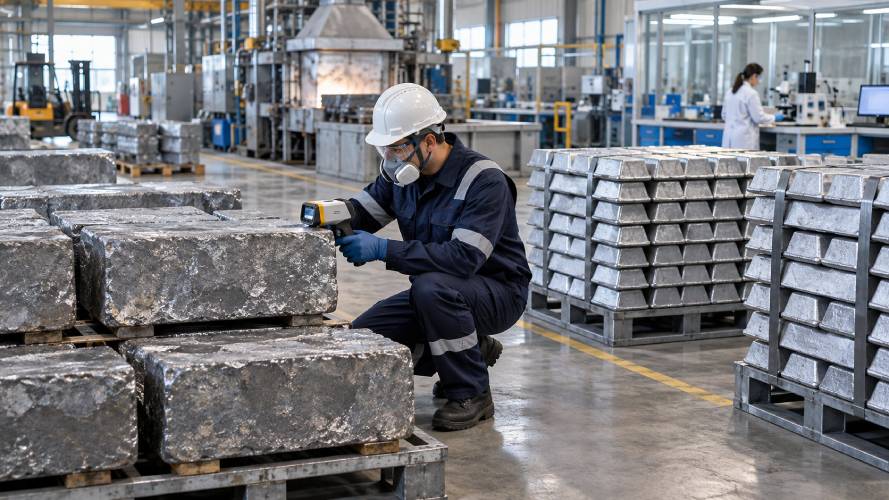
Lead is used in batteries, radiation shielding, cable protection, engineering components and specialised alloys. However, the term lead bullion for manufacturing can create confusion. In metallurgical trade, lead bullion generally refers to a lead rich intermediate product produced after smelting lead-bearing material. It may still contain copper, antimony, tin, arsenic, bismuth, silver and other elements that must be removed or controlled depending on the intended application.
Most manufacturers do not purchase material only by appearance or a general purity claim. They need refined lead or a specified lead alloy with a chemical composition suited to their process. The purchase specification should therefore define the grade, impurity limits, physical form, testing method and documentation required for every lot.
What Is Lead Bullion?
Lead bullion is the lead rich metallic lead-rich output obtained after smelting lead concentrates, battery scrap or other lead-bearing feedstock. It is normally cast into large blocks or intermediate ingots before refining. Its composition varies with the raw material and smelting process, so untreated bullion is not automatically suitable for direct use in a finished product.
Refining removes or reduces unwanted elements and adjusts the chemistry for the intended application. The result may be high-purity refined lead, remelted lead or a controlled alloy. Gravita’s pure and refined lead ingots page explains its finished lead offering for industrial buyers.
Typical Composition of Lead Bullion
Lead remains the main constituent, but bullion can contain several alloying elements, metallic and non-metallic impurities. The most relevant elements and constituents include:
- Antimony: increases hardness when intentionally retained, but can affect ductility where soft lead is required.
- Tin: can improve fluidity and alloy performance but must remain within the buyer’s specification.
- Copper: may influence corrosion behaviour, casting and downstream refining.
- Arsenic: can alter hardness and grain structure but requires strict control.
- Bismuth, silver and other metals: may affect processing, value recovery or performance in sensitive applications.
- Sulphur, dross and inclusions: can create casting defects and inconsistent recovery if the material is poorly refined or handled.
There is no single composition that makes all lead bullion acceptable. A battery-grid producer, cable manufacturer and radiation-shielding fabricator may require very different chemistry. The correct composition is the one agreed in the product specification and verified through testing.
Lead Grades Used by Manufacturers
Refined or pure lead
Refined lead is selected where low impurity levels, corrosion resistance, softness or predictable electrochemical performance are important. Commercial requirements often specify high lead purity, but the acceptable percentage and individual impurity limits must be stated in the purchase order. A headline purity figure alone is not enough because two lots with the same total lead content can have different trace-element profiles.
Remelted lead
Remelted lead is produced by melting suitable lead-bearing material and casting it into a usable form. Its chemistry depends on the feedstock and whether additional refining or alloy adjustment is carried out. It can suit applications that tolerate the resulting impurity limits, provided the composition, source control and test certificate meet the buyer’s specification.
Lead-antimony alloys
Antimony is added where greater hardness, strength and casting performance are needed. These alloys are used in selected battery components, weights and engineering products. Excess or inconsistent antimony can change brittleness and process behaviour.
Lead-calcium and lead-tin alloys
Calcium and tin are used in controlled quantities for specialised battery-grid and industrial applications. These alloys require tight process control because small chemistry changes can influence casting, mechanical properties and service performance. Buyers can review Gravita’s lead alloy range when evaluating application-specific material.
Major Industrial Applications
Lead-acid battery manufacturing
Batteries remain a major end use for refined lead and lead alloys. Different battery components may need different chemistries for grids, terminals, straps and active material. Consistent alloy composition supports casting stability, electrical performance and battery life. Gravita’s lead battery recycling and manufacturing page provides more context on the circular lead value chain.
Radiation shielding
Lead’s density makes it useful for shielding in medical, laboratory and industrial environments. Fabricators may use sheets, bricks or custom forms. Composition, thickness, dimensions and surface condition must match the shielding design. See Gravita’s lead sheet products for a related finished form.
Cable sheathing and construction products
Lead can provide moisture and corrosion protection in specialised cable and construction applications. These uses generally require controlled softness, workability and surface quality so the metal can be formed without cracking or unwanted inclusions.
Engineering components and weights
Lead and its alloys are used in counterweights, ballast, vibration control, cast components and specialised equipment. Alloy selection depends on density, hardness, machinability, casting method and operating conditions.
Quality Requirements Manufacturers Should Specify
1. Chemical composition
The specification should state minimum lead content and maximum limits for relevant impurities or alloying elements. Requirements should reference the applicable customer specification, national standard or recognised international standard, using the latest agreed edition.
2. Lot-wise test certificate
Each lot should carry a certificate of analysis that identifies the heat or batch, test method, measured chemistry and production date. Buyers should define whether supplier testing is sufficient or independent laboratory verification is required.
3. Sampling and testing method
A result is reliable only when the sample represents the lot. Purchase contracts should define sampling points, sample preparation, retesting rules and the method used, such as optical emission or another suitable elemental-analysis technique.
4. Physical form and condition
Specify ingot or block dimensions, unit weight tolerance, bundle weight, identification marks and surface condition. Material should be free from excessive dross, moisture, oil, slag and foreign matter that could create safety or melting problems.
5. Traceability
Batch numbers should connect the delivered material to production and test records. Traceability becomes especially important when recycled feedstock is used or when the manufacturer supplies safety-critical products.
6. Regulatory and responsible-sourcing documents
Depending on the transaction and end use, buyers may request environmental authorisations, recycled-content information, transport documentation and declarations relating to restricted substances. Document requirements should be agreed before dispatch.
How to Evaluate a Lead Supplier
- Confirm that the supplier can produce the required grade consistently, not merely offer a general purity range.
- Review sample certificates of analysis and clarify test methods.
- Check refining, alloying, casting and contamination-control capabilities.
- Agree on lot definition, sampling, rejection and claim procedures.
- Assess packaging, labelling, delivery reliability and batch traceability.
- Run a production trial before approving a new grade for critical applications.
A lower quoted price may not represent a lower total manufacturing cost if chemistry variation increases dross, causes casting defects or reduces finished-product performance. Buyers should therefore consider material consistency, manufacturing yield and the agreed quality specification alongside price.
Frequently Asked Questions
Is lead bullion the same as refined lead?
No. Bullion is generally an intermediate smelter product. Refined lead has undergone further treatment to achieve specified purity and impurity limits.
Can lead bullion be used directly in manufacturing?
Only when its verified chemistry and physical condition meet the application specification. Many manufacturers require further refining or controlled alloying.
Which lead grade is best for battery manufacturing?
There is no universal grade. Battery components require different refined-lead or alloy chemistries. The battery design and production process should determine the specification.
What should a lead certificate of analysis contain?
It should identify the supplier, product grade, batch or heat, production date, test method, lead content and relevant impurities or alloying elements.
Conclusion
Lead bullion is an important intermediate in the lead supply chain, but manufacturing performance depends on what happens next. Refining, alloy control, representative testing and lot traceability convert variable feedstock into dependable industrial material.
Manufacturers should buy against a written composition and quality specification rather than a broad product name. For product or supply discussions, contact Gravita India with the required grade, application, quantity and delivery expectations.
Technical note: Grade names and chemical limits vary by standard, application and customer specification. Confirm the latest applicable standard and test requirements before placing or accepting an order.